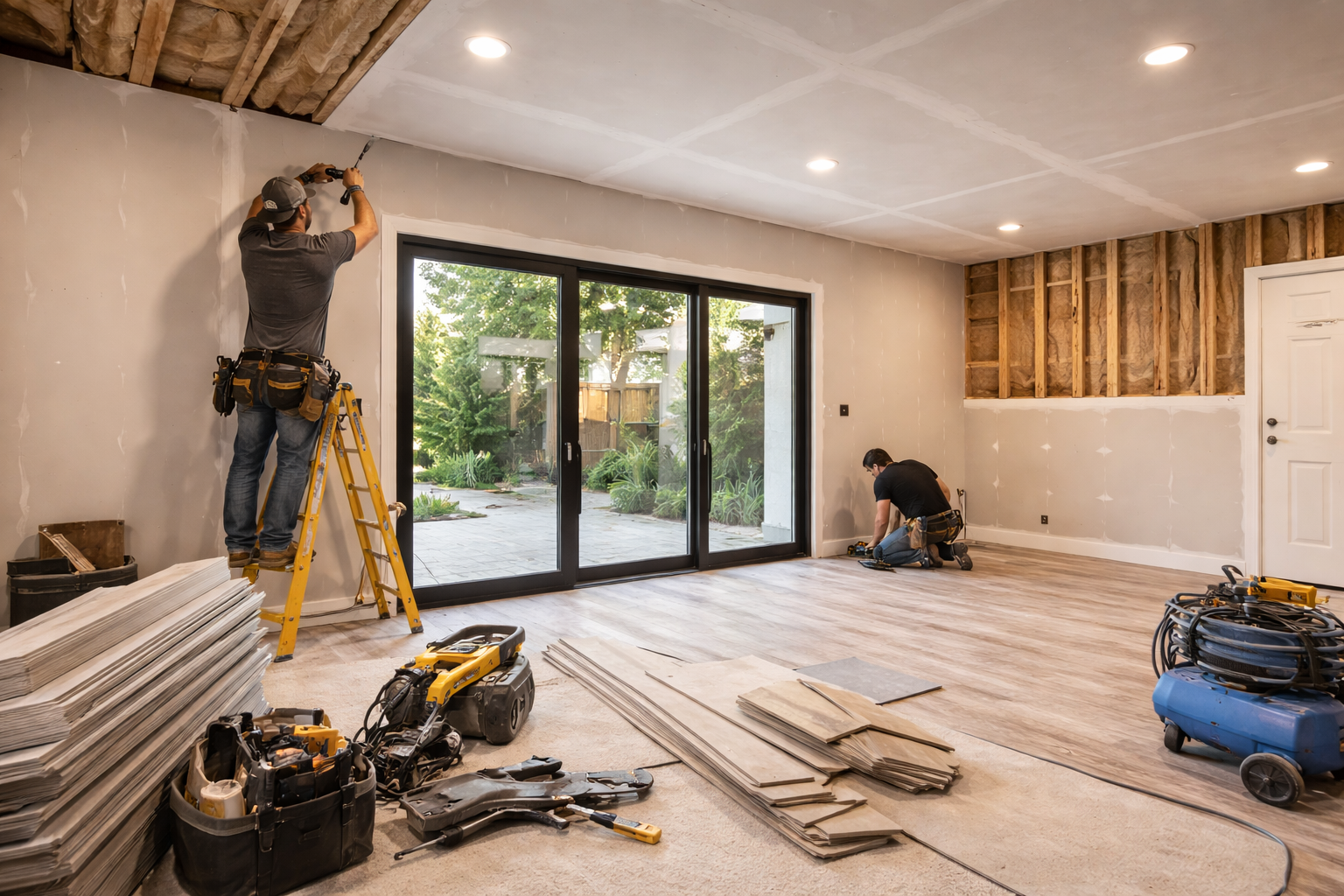
What Is MEP Engineering?
MEP stands for mechanical, electrical, and plumbing. MEP engineering covers the design of your ADU's HVAC system, electrical panel and circuit layout, plumbing supply and waste lines, and Title 24 energy compliance calculations. An MEP engineer produces drawings and calculations that show your building department how these systems are designed, sized, and routed — and that they meet California's building and energy codes.
Does My ADU Need MEP Plans?
In most cases, yes. California building departments require MEP plans as part of a complete permit submission for any new ADU — whether it's a detached new-construction unit, a garage conversion, or a JADU. The specific requirements vary by city, but the general rule is straightforward: if you're creating a new living space with a kitchen, bathroom, heating, and electrical service, the city needs to see engineered MEP plans showing that those systems are code-compliant.
Some cities accept simplified MEP documentation for very small JADUs or conversions where the existing mechanical, electrical, and plumbing systems are being reused with minimal modification. But for any project that adds new plumbing fixtures, a new electrical sub-panel, or a new HVAC system, full MEP plans are almost always required.
What Do MEP Plans Include?
Mechanical (HVAC)
The mechanical portion covers heating, ventilation, and air conditioning. For most California ADUs, this means a Manual J load calculation to size the HVAC equipment, duct layout and sizing, equipment specifications, and ventilation design to meet code requirements for fresh air exchange.
Electrical
The electrical portion covers the ADU's power distribution. This includes electrical panel sizing and circuit layout, outlet and switch locations, lighting layout, smoke and CO detector placement, and any EV-ready wiring requirements that some jurisdictions now mandate for new construction.
Plumbing
The plumbing portion covers water supply and drainage. This includes fixture locations and pipe sizing for the kitchen and bathroom, water heater sizing and location, drain waste and vent layout, connection to the existing sewer or septic system, and gas piping if applicable.
Title 24 Energy Compliance
California requires Title 24 energy compliance documentation for all new construction including ADUs. This is often bundled with the MEP scope and includes envelope insulation requirements, window specifications and U-factor compliance, HVAC efficiency ratings, water heating efficiency, and lighting power density calculations. Title 24 compliance is not optional — your permit will not be approved without it.
What Happens If You Skip MEP?
If you submit structural and architectural plans without MEP, most building departments will return your submittal as incomplete. This means you haven't saved time — you've lost it. You'll need to hire an MEP engineer after the fact, wait for their drawings, and resubmit. In practice, this adds 3 to 6 weeks to your permit timeline.
Some homeowners discover the MEP requirement only after their structural plans are already at plan check. At that point, the project stalls until MEP plans are produced and submitted as a supplement or resubmittal.
The Coordination Problem: Why Separate Firms Create Delays
Here's where most ADU projects lose time: the homeowner or GC hires an architect, a structural engineer, and an MEP engineer from three different firms. Each firm produces their drawings independently. When the plans arrive at the building department, the architectural layout doesn't match the structural framing, or the MEP routing conflicts with a beam the structural engineer designed.
These coordination failures are the number one cause of plan check corrections in Southern California residential projects. The city doesn't care which firm made the error — they just send the whole package back for correction.
The fix is simple: get your complete plan set — architecture, structural, and MEP — from one firm that coordinates all three disciplines before submission. When one PE oversees the full scope, the drawings align before they reach the building department.
How Affinity Design Group Handles MEP for ADUs
Affinity Design Group delivers complete plan sets — architecture, structural, and MEP — under one PE's oversight. For ADU projects, this means your structural calculations, architectural drawings, and MEP plans are all produced and coordinated as a single package. No separate firms to manage. No coordination gaps to discover at plan check.
The result: one submittal, one plan check review, one point of contact if the city has questions. Your GC gets a coordinated set of drawings they can build from without guessing how the HVAC duct routes around the structural beam.
What Does MEP Engineering Cost for an ADU?
When MEP is included as part of a complete plan set from Affinity, it's bundled into the full project fee — not billed as a separate engagement. ADU projects with complete plan sets (architecture, structural, and MEP) start at $5,000. The exact fee depends on the size and complexity of the unit, the number of plumbing fixtures, the HVAC system type, and whether the project is new construction or a conversion of existing space.
When hired separately from a standalone MEP firm, MEP engineering for a typical ADU runs $1,500 to $3,500 — plus the time and risk of coordinating between your structural engineer, architect, and the MEP consultant.
Ready to Get Your ADU Plans Done Right?
Call (714) 215-7413 or submit a quick form. We'll scope your full ADU project — architecture, structural, and MEP — and give you a firm quote within 24 hours. One firm, one coordinated plan set, one point of contact from scope to permit to construction.