Unpermitted Structural Work — What to Do When You Discover It
Unpermitted structural work is more common than most homeowners realize, especially in Orange County and LA County where the housing stock includes decades of renovations, conversions, and additions — not all of which went through the permit process. If you have discovered unpermitted structural modifications on your property, whether through a home inspection, a remodel, or a conversation with a contractor, you are not alone. And the situation is almost always fixable.
This guide explains what counts as unpermitted structural work, why it matters, how a structural engineer helps resolve it, what the legalization process looks like, and what it typically costs.
What Counts as Unpermitted Structural Work?
Unpermitted structural work is any modification to a building's load-bearing elements that was done without a building permit. In California, a permit is required for any work that involves structural changes. Common examples include load-bearing walls removed without engineering or permits, garage conversions done without structural plans or building permits, room additions built without permitted plans, patio or carport enclosures converted to livable space without permits, second-story additions built without structural engineering, foundation modifications done without engineering review, and structural repairs performed without PE involvement.
Why Unpermitted Structural Work Matters
Safety Risk
The most important concern is structural safety. A load-bearing wall removed without engineering may result in a beam that is too small, missing, or improperly connected. A garage conversion done without structural review may have an inadequate foundation, insufficient lateral bracing, or framing that does not meet code for residential occupancy.
Sale and Financing Complications
When you sell a property with unpermitted work, the buyer's home inspector, appraiser, or title company may discover the modifications. Unpermitted additions typically do not count toward the property's permitted square footage, which can affect the appraised value and the buyer's financing. Some lenders will not fund a purchase if there is significant unpermitted work.
Insurance Gaps
Homeowner's insurance policies typically cover permitted construction. If unpermitted structural work fails and causes damage, the insurance company may deny the claim based on the unpermitted status of the modification.
Permit Complications for Future Work
If you want to do additional work on the property, the building department may discover the unpermitted work during plan check and require it to be legalized before they will issue new permits.
How a Structural Engineer Helps
Step 1: Evaluation of Existing Conditions
The engineer visits the property and evaluates the unpermitted modifications. This includes identifying what structural changes were made, assessing whether the existing work is structurally adequate as built, identifying any deficiencies that need correction, and documenting the existing conditions with measurements, photos, and notes.
Step 2: Engineering Analysis
Based on the field evaluation, the engineer performs structural analysis to determine whether the existing modifications meet current building code requirements. This analysis covers gravity loads, lateral loads, connection adequacy, and foundation capacity.
Step 3: Design Corrections (If Needed)
If the existing work does not meet code, the engineer designs the minimum corrections needed to bring it into compliance. This might include adding or upgrading beams where walls were removed without adequate replacement, adding shear walls or lateral bracing where the lateral system is deficient, reinforcing foundations where loads have been increased beyond the original capacity, adding connection hardware where structural elements are not properly tied together, and upgrading framing members where they are undersized.
The goal is to make the structure safe and code-compliant with the minimum amount of construction disruption. A good engineer designs targeted corrections that address the specific deficiencies.
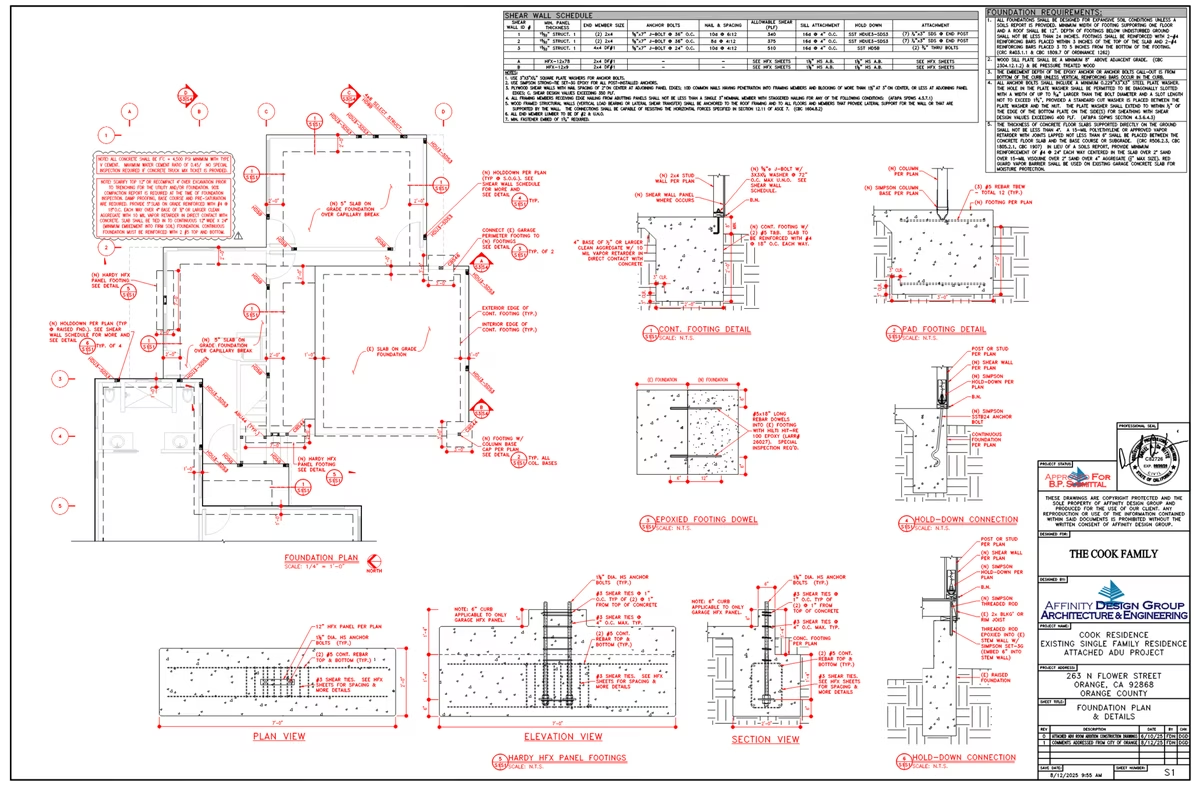
Step 4: PE-Stamped Drawings for Retroactive Permit
The engineer produces PE-stamped drawings that document the existing conditions and any required corrections. These drawings are submitted to the building department as part of a retroactive permit application including as-built conditions showing what currently exists, proposed corrections showing what needs to be changed, structural calculations demonstrating that the corrected structure meets code, and connection details and specifications for any new work.
Step 5: Permit Review and Approval
The building department reviews the retroactive permit application through the same plan check process as new construction. Once approved, the permit is issued for the correction work. After the corrections are completed and inspected, the previously unpermitted work becomes fully permitted and documented.
What Does It Cost?
The structural engineering cost for evaluating and legalizing unpermitted work varies widely depending on the scope. Simple evaluations where the existing work is adequate as built run $800 to $1,500. Moderate corrections where some structural work needs to be added or upgraded run $1,500 to $4,000. Complex corrections involving multiple structural deficiencies, foundation work, or extensive redesign run $4,000 to $8,000 or more.
The construction cost for the actual correction work is separate from the engineering fee and depends on the extent of the modifications needed.
Is It Worth Legalizing?
Almost always, yes. The cost of legalization is virtually always less than the cost of the problems unpermitted work creates. The safety risk alone justifies the investment. But the financial calculation also favors legalization. Permitted square footage is worth more than unpermitted square footage when you sell. Insurance coverage depends on permitted status. Future permit applications require a clean building record. And the peace of mind of knowing your home is structurally sound and legally compliant has real value.
Ready to Address Unpermitted Work?
Call (714) 215-7413 or submit a quick form. We will evaluate the existing conditions, determine what corrections are needed, and provide a firm scope and quote for the legalization process. Same-day response on every inquiry.