When Does California Require a Structural Engineer?
California has some of the strictest building codes in the country, driven largely by seismic safety requirements. The state requires a licensed Professional Engineer (PE) to design and stamp structural plans for most construction projects that involve load-bearing elements. But many homeowners and even some contractors are unsure exactly when that requirement kicks in.
This guide provides a comprehensive list of the scenarios where California requires a structural engineer, explains why the requirement exists, and helps you determine whether your specific project needs PE-stamped plans.
Projects That Always Require a Structural Engineer
Accessory Dwelling Units (ADUs) and Garage Conversions
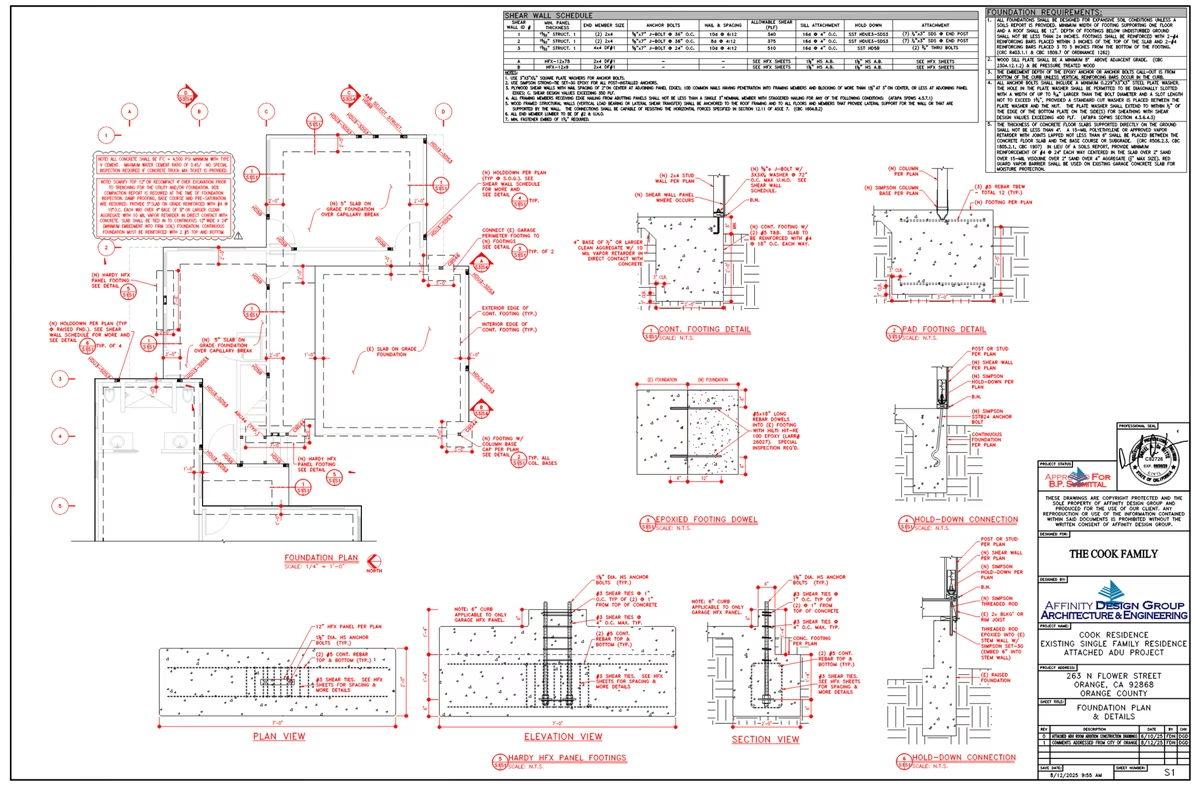
Every ADU project in California requires PE-stamped structural plans. This applies to all four types: detached new-construction ADUs, attached ADUs, garage-to-ADU conversions, and JADUs that involve structural modifications. The structural engineer designs the foundation, framing system, and lateral force-resisting system, and provides the PE-stamped drawings the building department requires for permit approval.
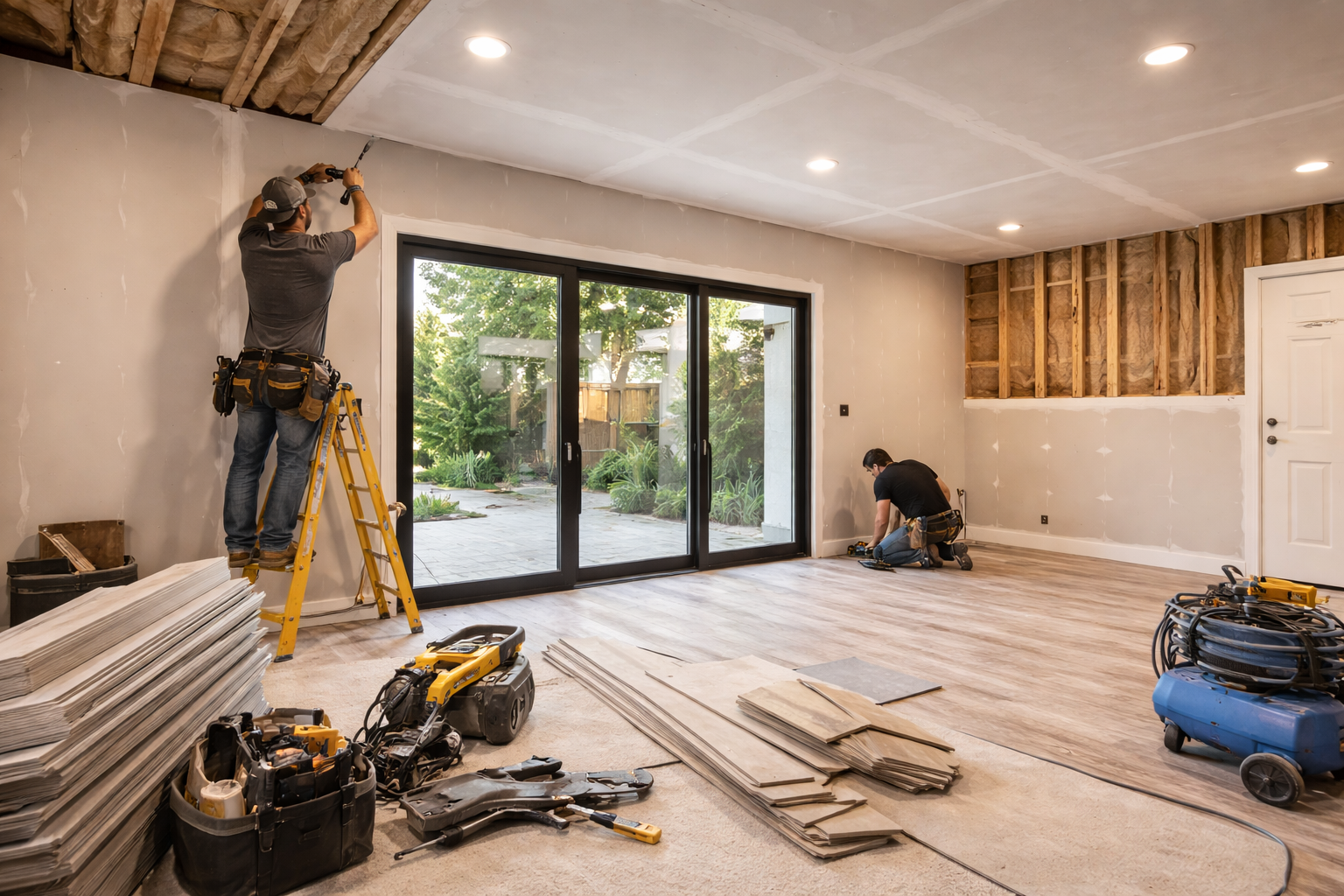
Even simple garage conversions need structural engineering because converting from vehicle storage to habitable space changes the occupancy classification and structural requirements. The existing slab, framing, and lateral system must be evaluated and potentially modified to meet residential building code standards.
Room Additions and Second-Story Additions
Any addition that expands the building footprint or adds a floor requires structural engineering. The engineer designs the new structural systems and verifies that existing systems can handle the additional loads. Second-story additions are particularly demanding because the existing foundation and first-floor framing were designed for one story. Adding a second floor doubles the gravity loads and significantly changes the lateral force requirements.
Load-Bearing Wall Removals
Removing any wall that carries loads from above requires PE-stamped plans showing the replacement beam, columns, connections, and any lateral system modifications. This applies whether the wall supports a roof, a ceiling, or an upper floor. The engineering ensures the structure remains safe and code-compliant after the wall is removed.
Seismic Retrofits
Foundation bolting, cripple wall bracing, soft-story retrofits, and other seismic strengthening work require PE design. The engineer evaluates the existing structure's seismic vulnerability and designs the reinforcement needed to meet current code requirements. Some cities in California have mandatory retrofit programs for certain building types, particularly soft-story multi-family buildings.
New Residential Construction
New homes require structural engineering for the foundation, framing, roof system, and lateral force-resisting system. The complexity and cost of the engineering depend on the size of the home, the number of stories, the building materials, and the site conditions.
Commercial Tenant Improvements with Structural Modifications
If a commercial tenant improvement involves removing or modifying load-bearing elements, adding mezzanines, installing heavy equipment that exceeds floor load capacity, or modifying the building's lateral system, a structural engineer is required. Equipment anchorage for seismic zones also requires PE design.
Structural Repairs and Damage Assessments
When a building sustains structural damage from earthquakes, fires, water intrusion, termites, or vehicle impact, a PE evaluation determines the extent of the damage and designs the repair. Insurance companies and building departments typically require a PE-stamped assessment before repairs can proceed.
Telecom Installations
Mounting cellular antennas, equipment cabinets, and cable trays on rooftops or towers requires structural analysis to confirm the building or tower can support the additional loads. Telecom installations require PE-stamped structural calculations and certification letters for permit approval.
Projects That May Require a Structural Engineer
Some projects fall into a gray area where a PE may or may not be required depending on the specific scope and jurisdiction.
Kitchen and Bathroom Remodels
If the remodel only involves cosmetic changes, fixture replacement, and cabinet installation within existing walls, a structural engineer is usually not required. However, if the remodel involves removing or modifying any walls, creating new openings, or changing the structural layout, PE-stamped plans may be needed. When in doubt, ask your building department or have a PE evaluate before construction begins.
Deck and Patio Covers
Small decks and patio covers may be exempt from structural engineering requirements in some jurisdictions if they fall below size thresholds. Larger structures, elevated decks, and covered patios that attach to the house typically require PE design. Check with your city's building department for specific thresholds.
Retaining Walls
Retaining walls above a certain height (typically 4 feet of retained earth) require PE design in most California jurisdictions. Walls below this threshold may be built from prescriptive details without engineering, but any wall that supports structures, roadways, or surcharges above likely needs PE review regardless of height.
Swimming Pools and Spas
Pool construction in areas with expansive soils, high water tables, or proximity to existing structures may require structural engineering. Hillside pools almost always require PE design for the pool shell and any associated retaining structures.
Projects That Typically Do Not Require a Structural Engineer
Minor cosmetic renovations that do not modify any structural elements typically do not require PE involvement. This includes interior painting, flooring replacement, tile installation, cabinet replacement within existing openings, fixture replacement (sinks, toilets, light fixtures), window replacement in existing openings with same-size windows, and landscaping that does not involve retaining walls or grading near structures.
However, even in these categories, if you discover unexpected conditions during the work — a rotted beam behind the drywall, a cracked foundation, or signs of structural settling — a PE evaluation is the safest next step.
Why California Requires Structural Engineering
The requirement for PE-stamped structural plans exists for three reasons.
First, safety. California's seismic environment means that structural failures can have catastrophic consequences. The PE stamp certifies that a licensed professional has analyzed the loads, designed the structure to resist them, and taken personal responsibility for the design.
Second, liability protection. The PE stamp creates a clear chain of professional accountability. If a structural issue arises, there is a licensed professional whose design can be reviewed and who carries professional liability.
Third, code compliance. The California Building Code and ASCE 7 (the standard for structural loads) contain complex requirements that require engineering judgment to apply correctly. A PE ensures that the specific requirements for your building type, location, and loads are properly addressed.
What Happens If You Skip the Structural Engineer
Building without required PE-stamped plans has real consequences. The building department will deny your permit application if structural plans are required and not provided. If you build without a permit, the city can issue a stop-work order and require you to obtain retroactive permits — which often requires a PE to evaluate the unpermitted work. Failed inspections during construction can halt the project until the structural issue is resolved by a PE. When you sell the property, the buyer's inspection or title search may reveal unpermitted structural work, which can kill the deal or require expensive remediation. Your homeowner's insurance may not cover damage resulting from unpermitted structural modifications.
How to Find Out If Your Project Needs a PE
The fastest way to determine whether your project requires structural engineering is to call a licensed PE and describe what you are planning. A good engineer can tell you in 5 minutes whether your project needs PE-stamped plans, what the scope would include, and approximately what it would cost.
You can also call your city's building department and ask whether structural plans are required for your project type. They will tell you what needs to be included in your permit submission.
Ready to Find Out If You Need a Structural Engineer?
Call (714) 215-7413. We will tell you in 5 minutes whether your project requires PE-stamped plans — no obligation, no charge for the conversation.